Planned learning
Age-appropriate objectives, sequenced lessons and curriculum support help the school organise a coherent music-learning experience.
CPI / CaveArt PACT Initiative
Structured learning. Practical music-making. Coordinated support.
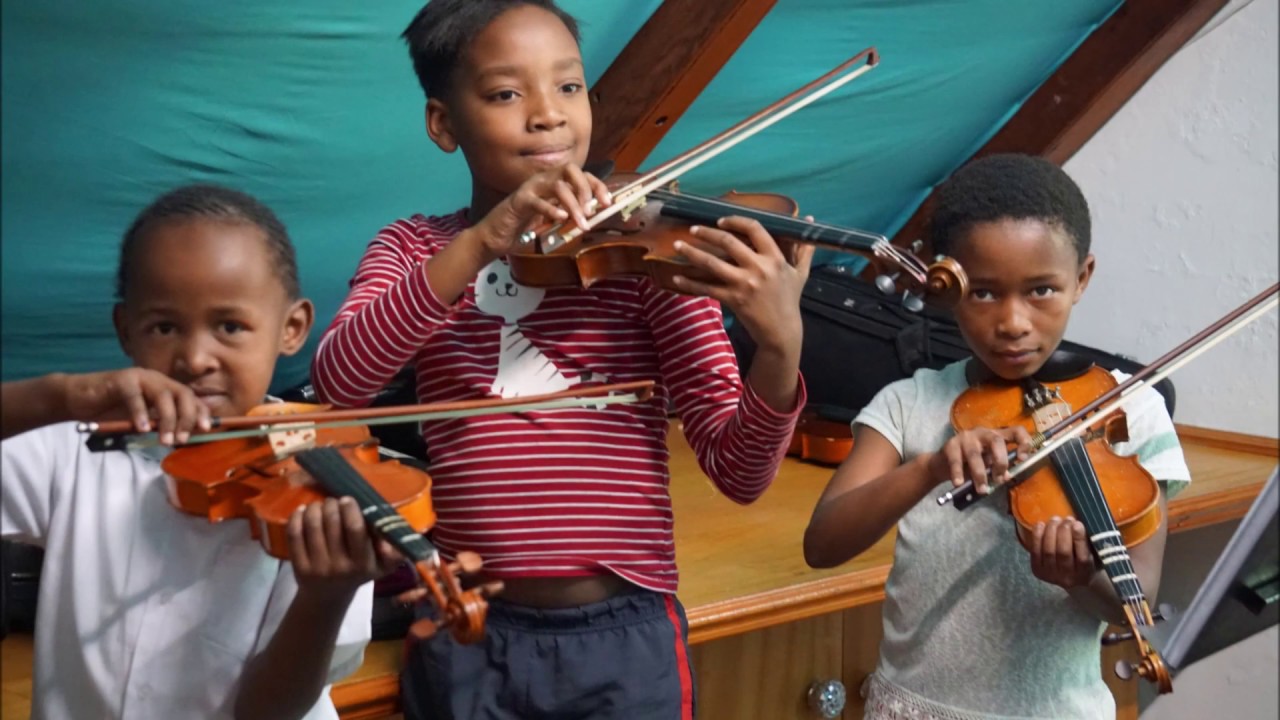
The CaveArt PACT Initiative brings structured music education into partner schools, primarily basic schools. It connects planned teaching, instrumental and vocal practice, African music, assessment and performance opportunities within an agreed school programme.
Book a partnership discussionSix areas of work make up a CPI partnership, agreed with each school and delivered alongside your own staff.
Age-appropriate objectives, sequenced lessons and curriculum support help the school organise a coherent music-learning experience.
Practical instrumental and vocal instruction develops technique, listening, rhythm and expression. Disciplines are selected to match learner needs and available resources.
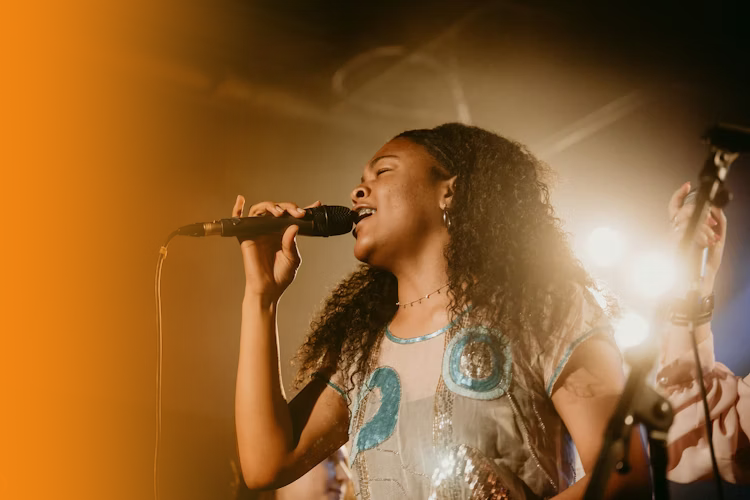
Indigenous rhythms, songs, percussion and ensemble activities give cultural learning a practical place in the programme.
Rehearsals, group music-making and agreed showcases give learners opportunities to apply their learning and receive constructive feedback.
Baseline checks, progress records and practical assessments help instructors identify learning gaps and explain development to the school.
A named school contact, CaveArt coordination, teacher guidance and programme reviews support delivery beyond individual lessons.
Flexible delivery: In-school lessons, after-school groups, workshops and performance activities are arranged with each school. Staffing, instruments, reporting, resources and scope are specified in the partnership agreement.
A strong music teacher is central to learning. CPI adds a coordinated programme around that teaching, with shared planning, oversight and school-facing accountability.
The comparison below describes the scope to agree with a school. An individual teacher may already provide many of these elements; CPI makes the wider support explicit in a partnership.
Accountability
Individual teacher appointment
Duties are set through the individual appointment.
CPI partnership scope
A school-CaveArt agreement sets deliverables, responsibilities and review arrangements.
Planning
Individual teacher appointment
Lesson planning rests with the assigned teacher.
CPI partnership scope
CaveArt coordination supports an agreed learning sequence, objectives and delivery plan.
Specialist breadth
Individual teacher appointment
Provision reflects the teacher’s expertise and assigned remit.
CPI partnership scope
Selected disciplines and specialist input are coordinated within the agreed staffing and resources.
Learner development
Individual teacher appointment
Progress is followed through the teacher’s assessment practice.
CPI partnership scope
Agreed checkpoints, practical evidence and progress feedback form part of programme review.
School support
Individual teacher appointment
The school manages the teacher and day-to-day arrangements.
CPI partnership scope
The school has a programme contact and a defined process for issues, changes and support.
Performance opportunities
Individual teacher appointment
Activities depend on the teacher’s remit and school plans.
CPI partnership scope
Rehearsals, workshops and showcases can be planned as programme milestones.
Continuity and review
Individual teacher appointment
Continuity follows school staffing arrangements.
CPI partnership scope
Documented lessons and records support handover; delivery concerns go through CaveArt coordination.
A school partnership that supports the instructor, documents learning and connects classroom work with practical outcomes.
A practical partnership process turns school priorities into a delivery plan that can be implemented and reviewed.
Discuss age groups, current provision, learner interests, timetable, staff and available instruments.
Select disciplines, learning objectives, group sizes, session frequency, assessments and performance activities.
Confirm scope, responsibilities, resources, safeguarding arrangements, communication and fees with the office.
Provide the agreed in-school or after-school teaching, workshops and supervised practical activities.
Use attendance, practical work and progress feedback to identify achievements and areas needing support.
Review the partnership with school leadership and agree the next stage, adjustments or renewal.
CPI can connect learners with CaveArt’s TOP SKILL Bootcamp, introducing music business, creative careers, entrepreneurship, global music trends, leadership, networking and personal branding. Participation and age suitability are confirmed with the school.
Nominate a coordinator, identify a suitable learning space and agree instrument access, supervision, the timetable and reporting arrangements. Session frequency, programme duration and review dates are agreed with each institution.
Tell us about your school and we will design a music programme around your timetable, learners and resources.
Info@caveartpremier.com · Tantra Hills, Accra – Ghana
Looking for individual lessons instead? Explore our programmes.